

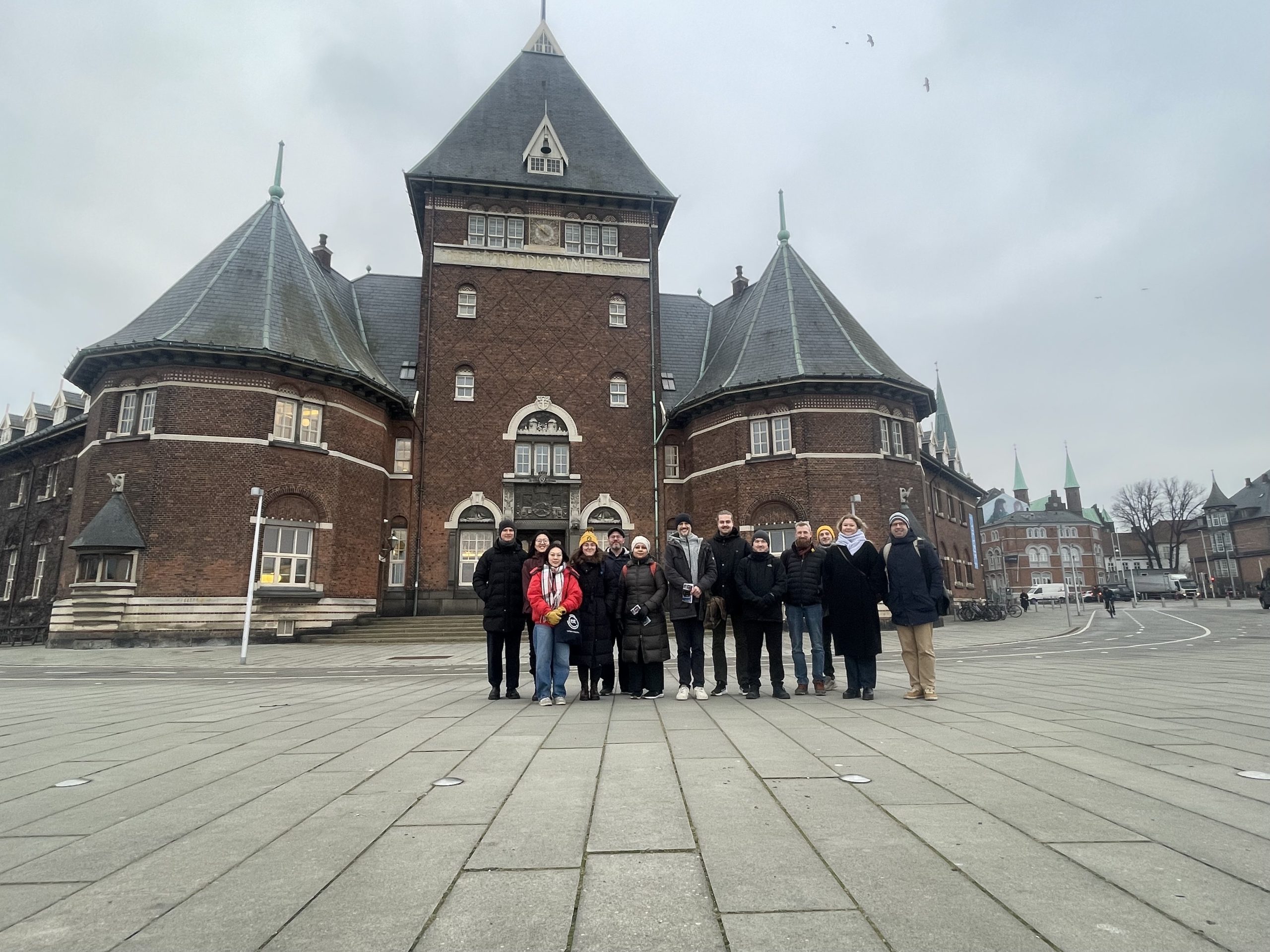
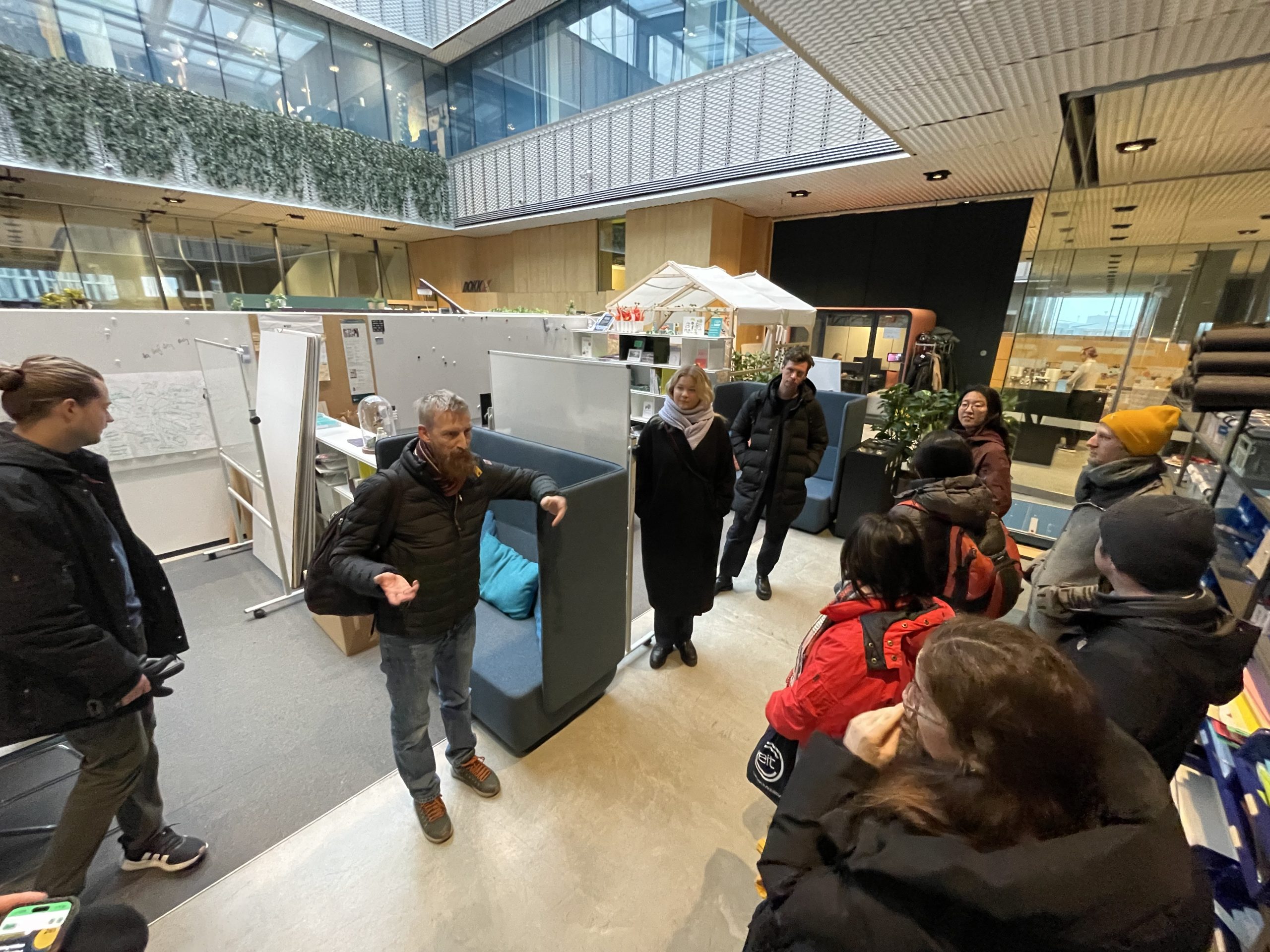
Robin Wendel and Martin Loidl participated in the annual meeting of the CITWIN project in Aarhus, Denmark. Now entering its third year, the project is reaching a phase where results are becoming increasingly tangible. The key challenge for the final project year lies in integrating the various research strands into a coherent whole.
To support this integration, we developed an automated geo-pipeline capable of processing diverse input datasets, running accessibility analyses, and returning results through standardized interfaces. Our accessibility analyses go beyond conventional approaches by incorporating perceptual factors into the analytical model. This contribution builds on the excellent foundation established in the previous work package by Mario Cools from University of Liège (see our publication for more details) and feed directly into the urban digital twin designed and implemented by the team around Lukas Esterle at Aarhus University. In addition to our analyses, the digital twin will integrate an advanced pedestrian and cyclist traffic model developed by Fariya Sharmeen and Peiling Wu from KTH Stockholm.
The project certainly benefits from a broad consortium that includes, besides academic partners, experts from public administration, private industry, and advocacy organizations. This interdisciplinary blend makes the CITWIN collaboration both inspiring and uniquely enriching.
Experiencing Urban Change in Aarhus
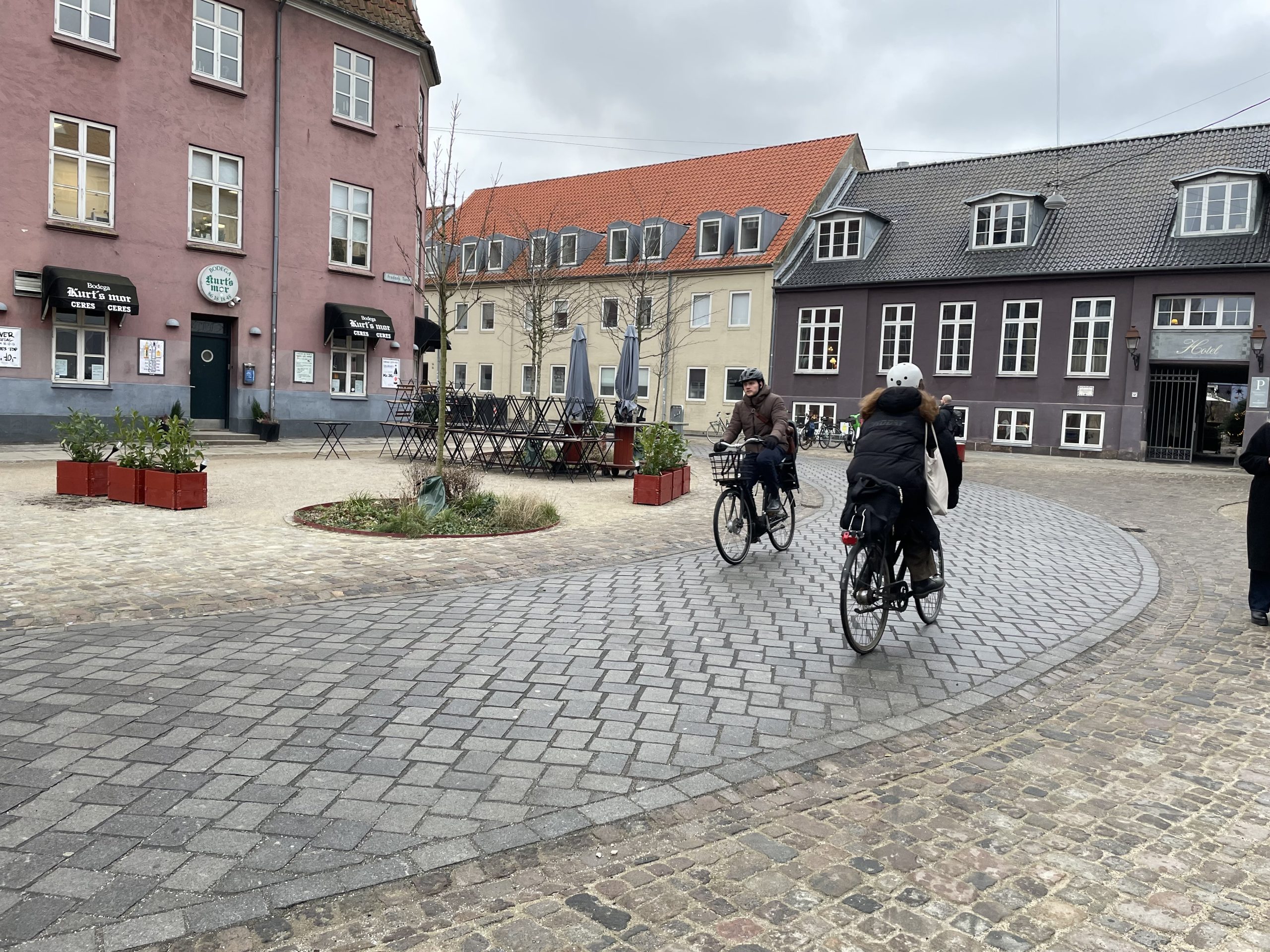
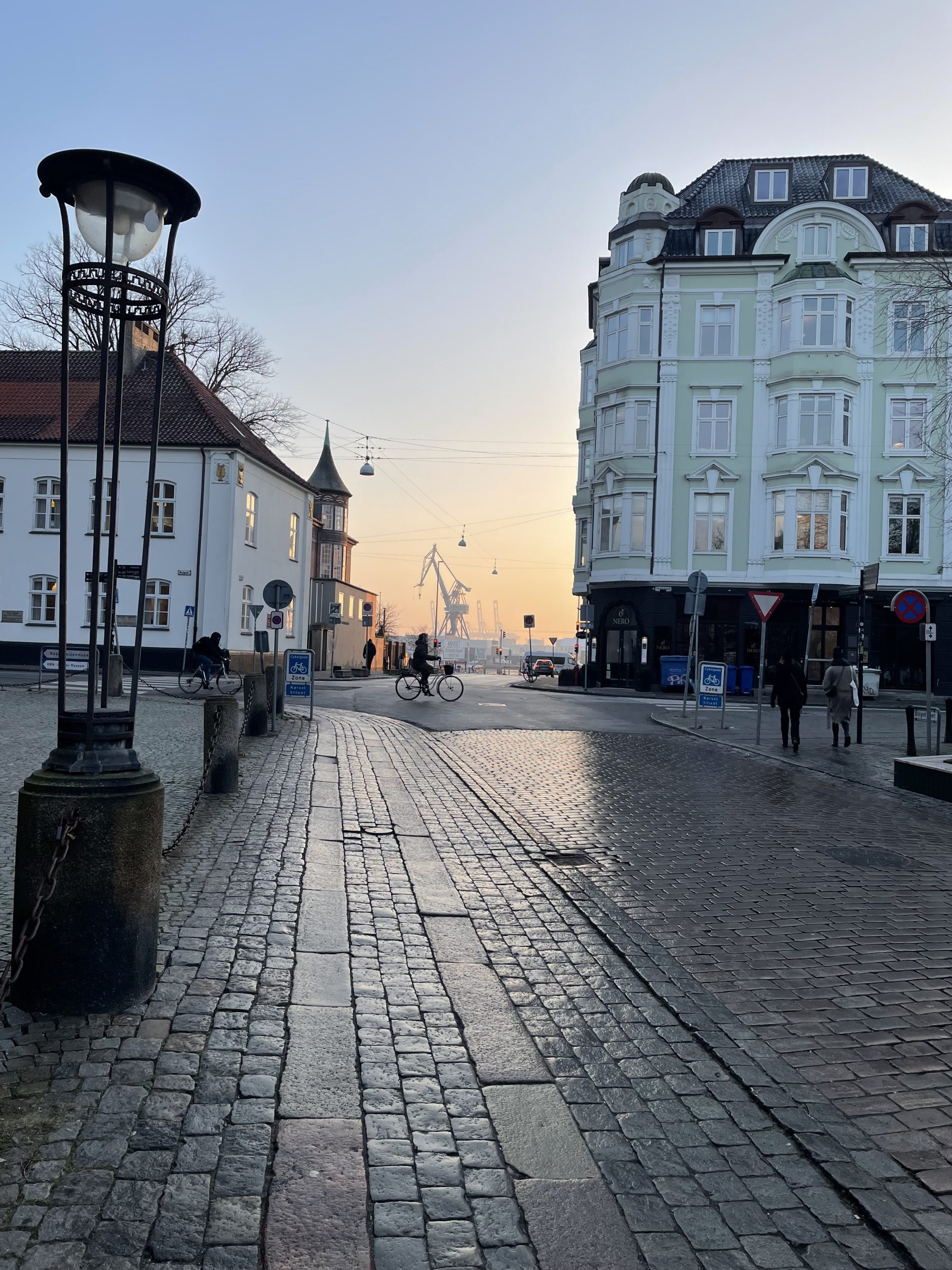
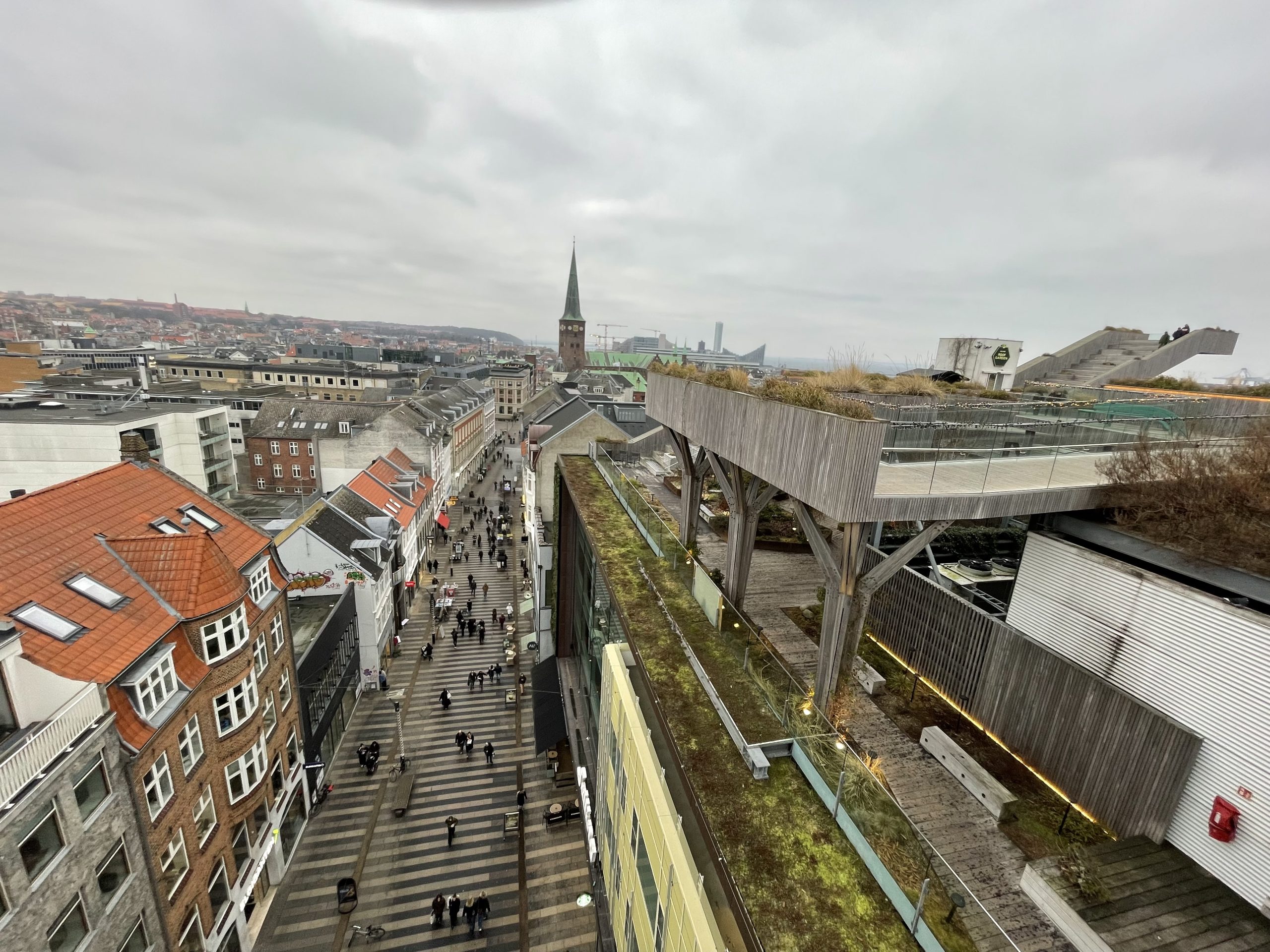
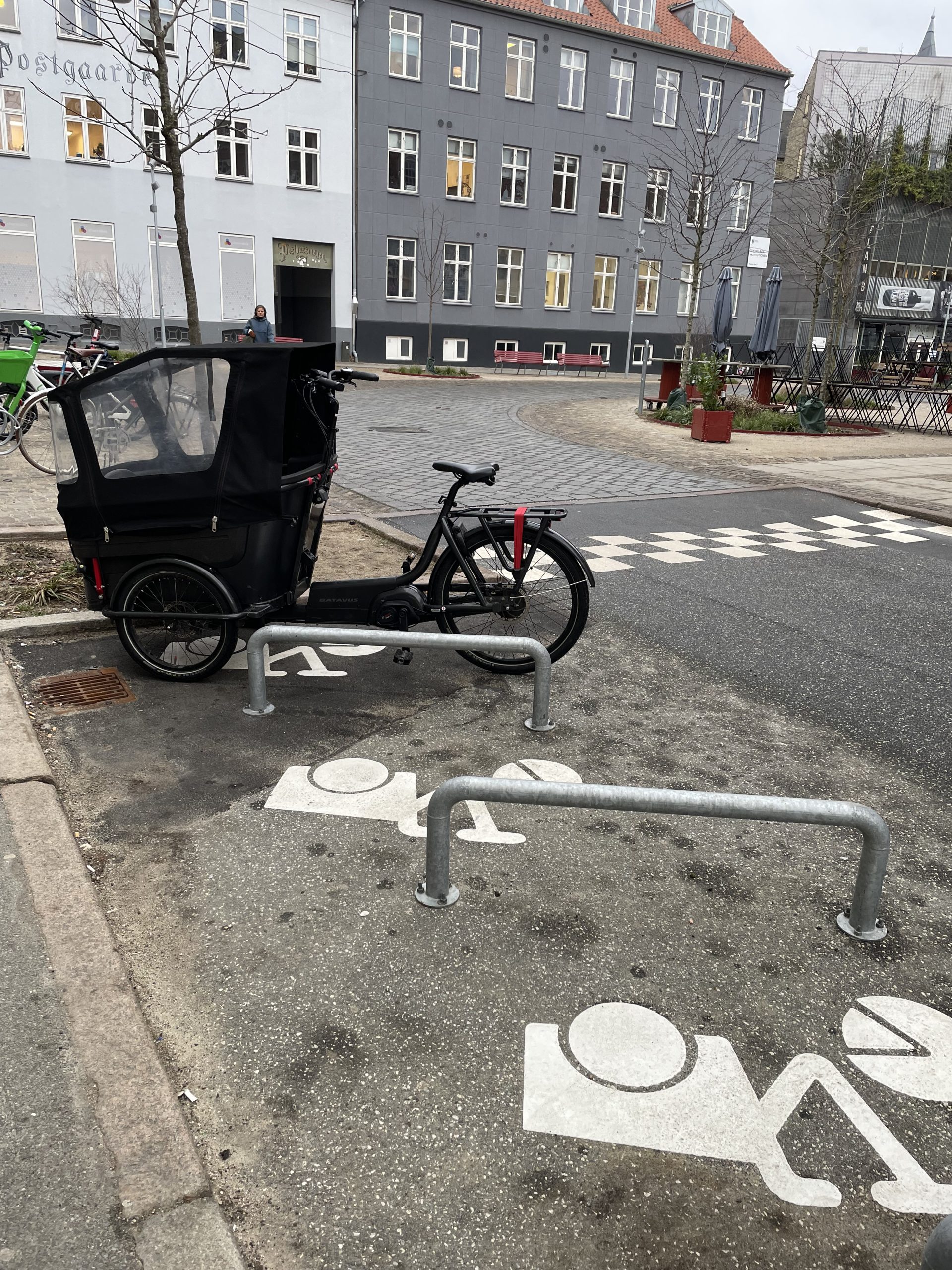
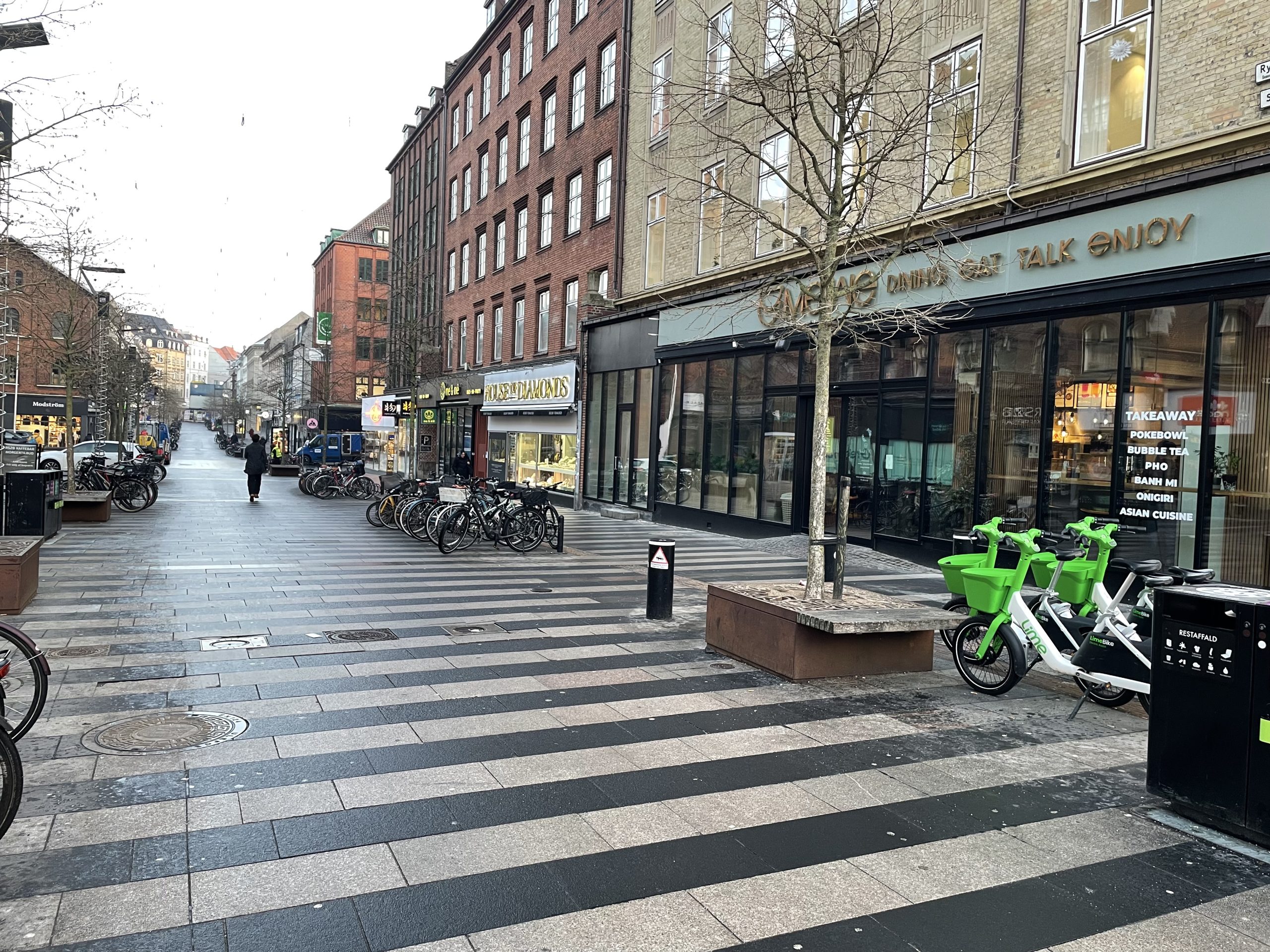
The city of Aarhus proved to be an ideal setting for the meeting. Gustav Friis, mobility planner at Aarhus Kommune, provided valuable insights into current and upcoming urban development initiatives. During a guided city walk, we explored redesigned street spaces and former parking lots now transformed into welcoming public spaces with cafés, inviting street furniture, urban greenery, and a dedicated cycling ring surrounding the pedestrianized city center.
A particularly striking example of urban transformation is the conversion of a former multi-lane highway that once covered the city’s river. Today, this corridor has been reopened and redesigned as high-quality blue infrastructure, adding both ecological and social value to the urban environment.
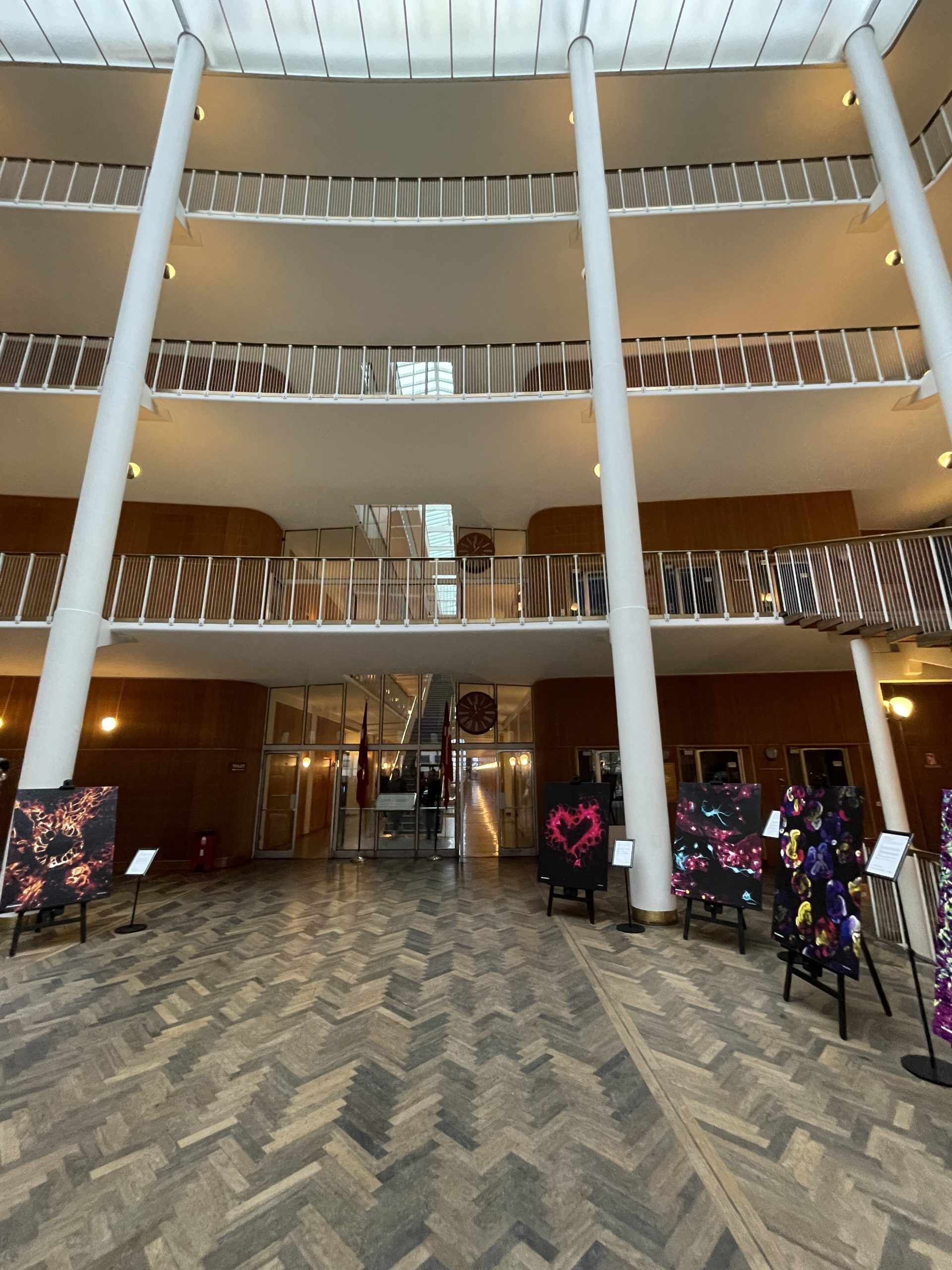
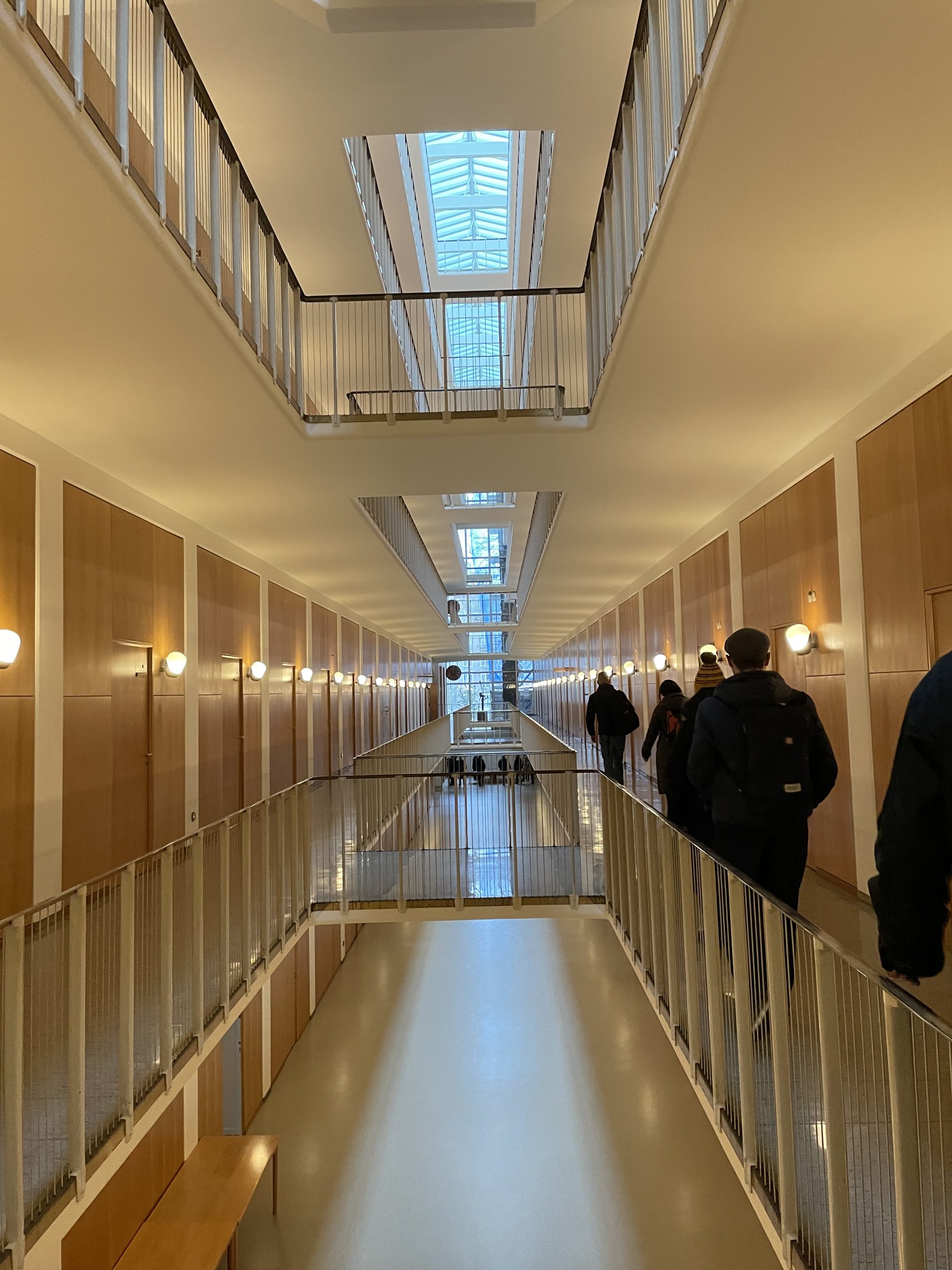
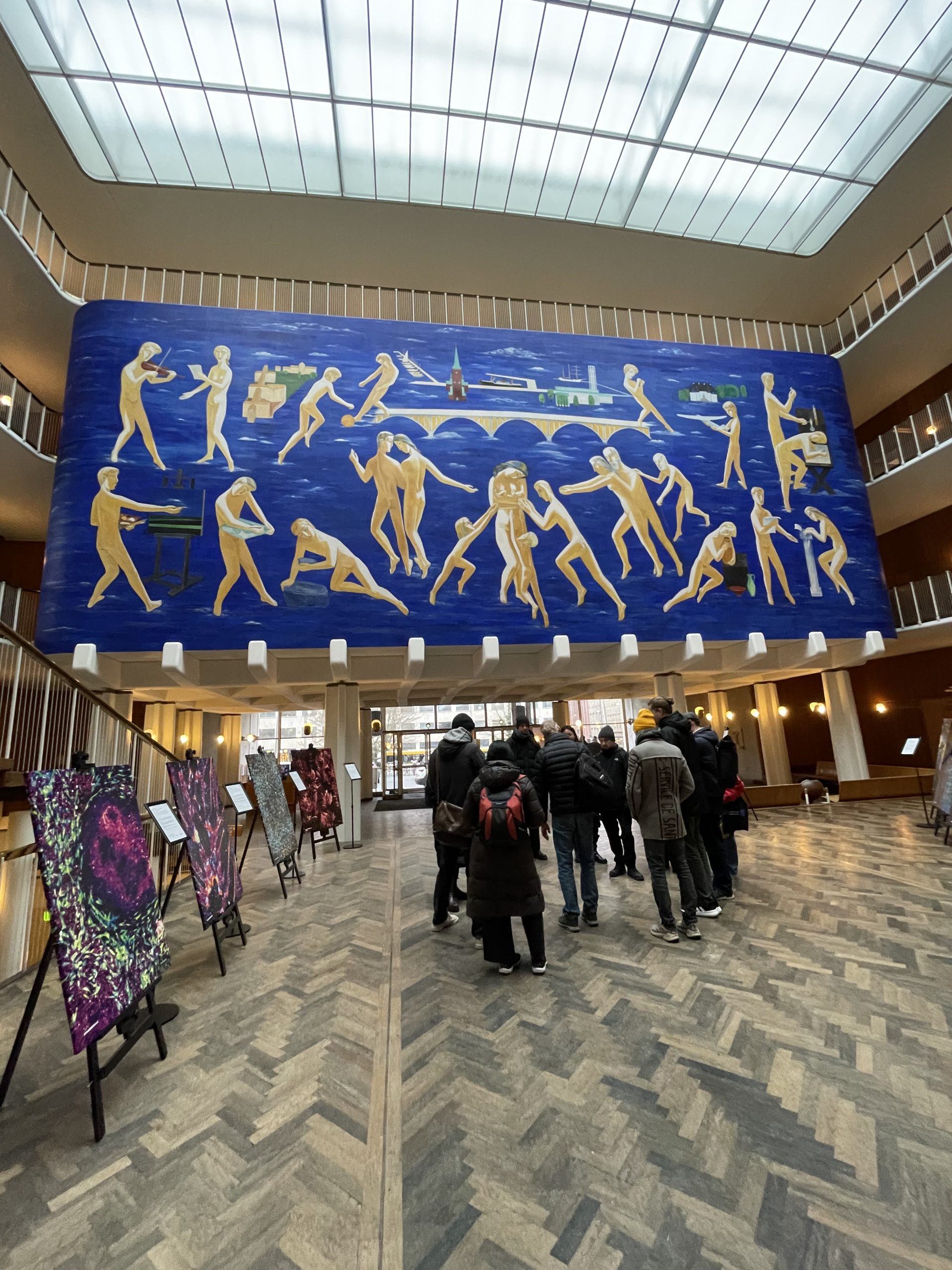
The Aarhus City Hall stood out as a timeless piece of Danish design from the 1940s, which still feels very modern in atmosphere and appearance.
Interesting for the city of Salzburg: Aarhus has a public bike sharing system operated by Lime …
Reflections on Digital Twins: Beyond Technology
Throughout the workshop sessions and informal discussions, one theme consistently resurfaced: the meaning and promise of the Digital Twin label. While digital twins are often seen through a technical lens, our conversations highlighted that the main challenges ahead are not technological. Instead, the critical bottlenecks relate to governance, specifically how data is managed, shared, and reused.
Well-structured data governance can significantly ease the integration of datasets and enable comprehensive analyses within a unified digital environment. As the CITWIN project progresses, addressing these governance aspects will be essential for achieving digital twin applications that move closer to a true, holistic representation of urban systems.
Leave A Comment