

Projects
POSITIM
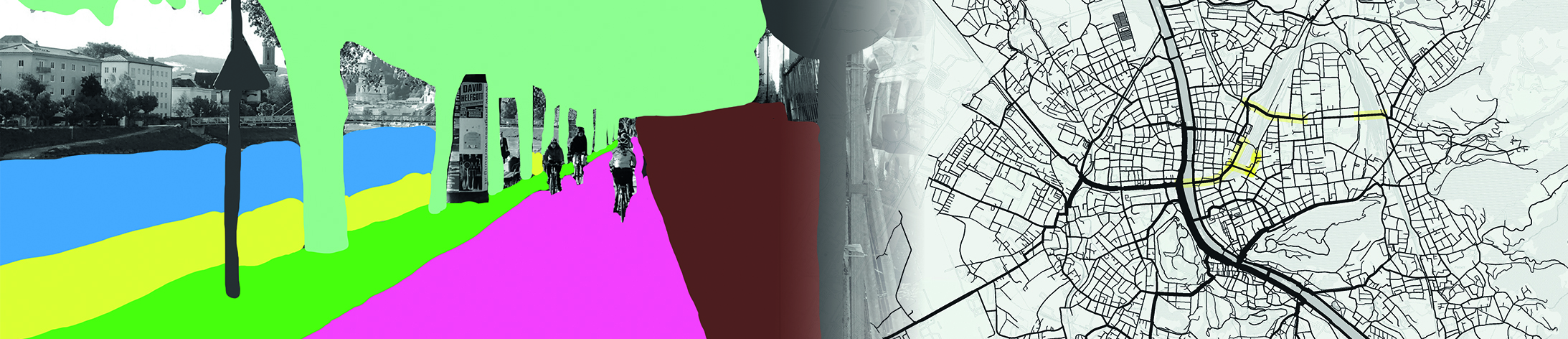
The design or redesign of public space is an essential prerequisite for further promoting sustainable, active mobility. However, a standardized methodology for the impact assessment of interventions in urban mobility is still lacking. POSITIM aims to create a generic mixed methods approach for impact assessment and evaluation. Methods from traffic sociology, human sensor technology, traffic planning and geoinformatics are integrated.
SINUS
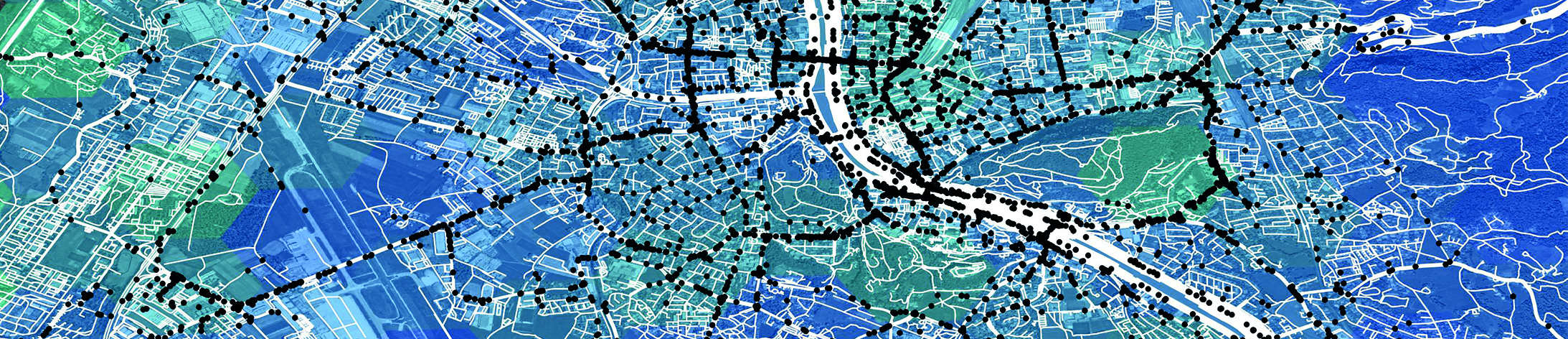
Unprotected road users are exposed to a disproportionate risk of accidents. In order to be able to make the best possible arrangements for these road users, reliable risk models with a high spatial and temporal resolution are required. The potential, but also the limitations, of integrating human sensor data with heterogeneous data sources from urban data ecosystems for traffic safety research and especially for forecasting models of traffic risks has not yet been scientifically assessed.

Bicycle Observatory
The project has set itself the goal of conceiving a multidimensional, spatially differentiated situation picture of bicycle traffic by combining technical sensor data and social science survey data and thus better understanding bicycle traffic as an overall system and its heterogeneity within the group of cyclists.
GISMO
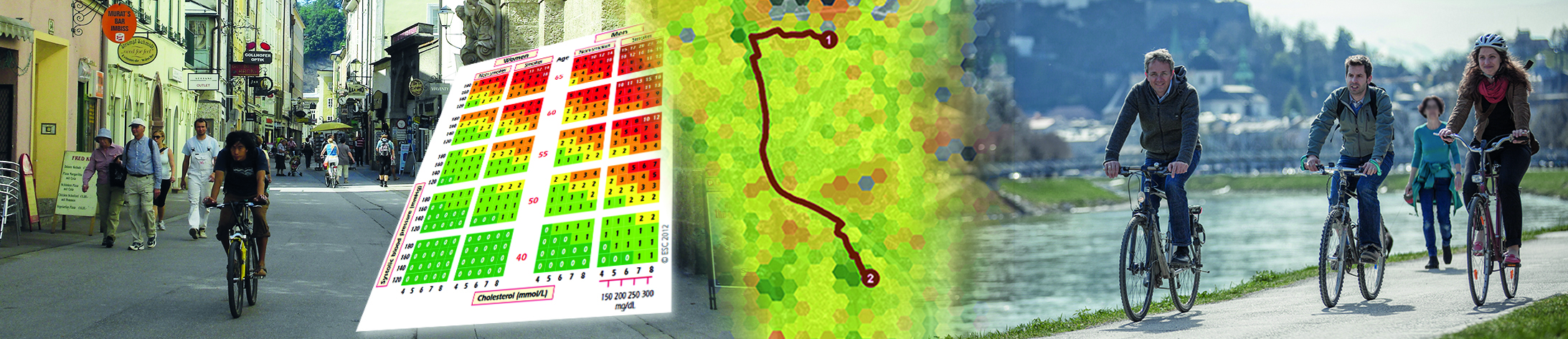
Domain-specific know-how from the field of medical and sports physiological research, geoinformatics and mobility advice is integrated in an interdisciplinary information platform to promote healthy mobility in the context of company mobility management.
FamoS
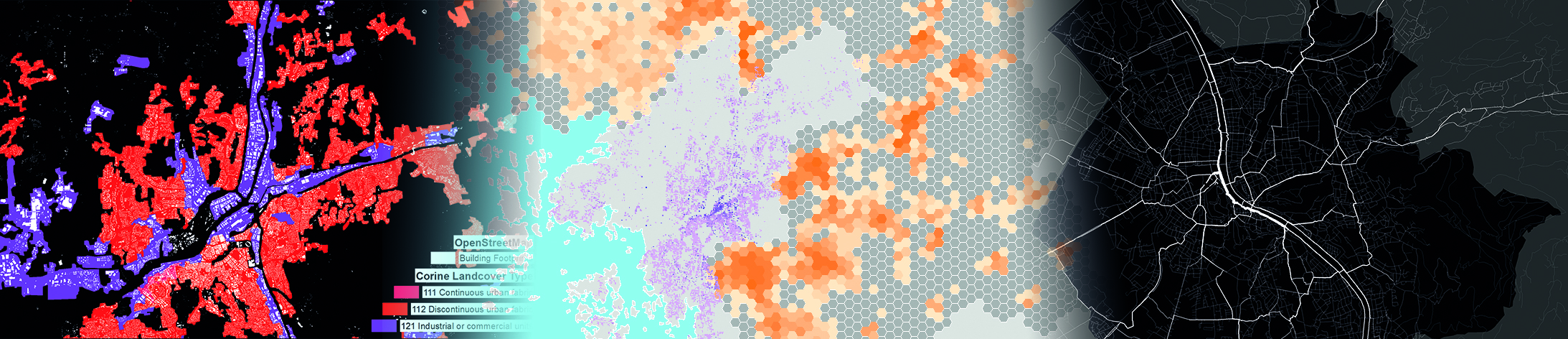
With special attention to cycling, multimodal simulation tools are being developed as planning tools for reorganizing the street space and tested for use cases in the cities of Graz and Salzburg.
Radverleihstudie
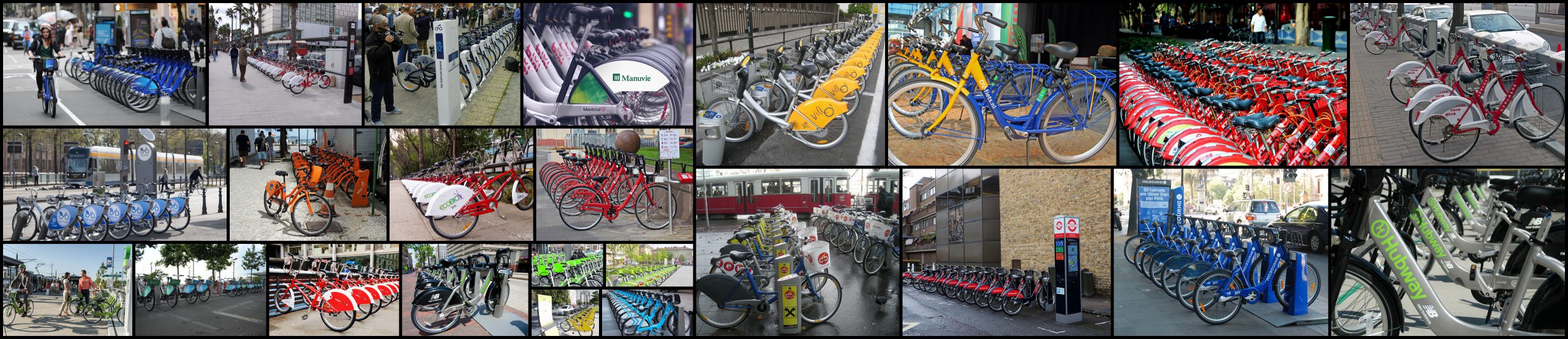
From the spatial structure analysis and the empirical survey, the relocation potential can be derived spatially differentiated. On this basis, the decision regarding the profitability of a possible bike rental system should be made. If the outcome is positive, the tools developed can be used to evaluate locations with regard to their suitability and their effect on the overall system.